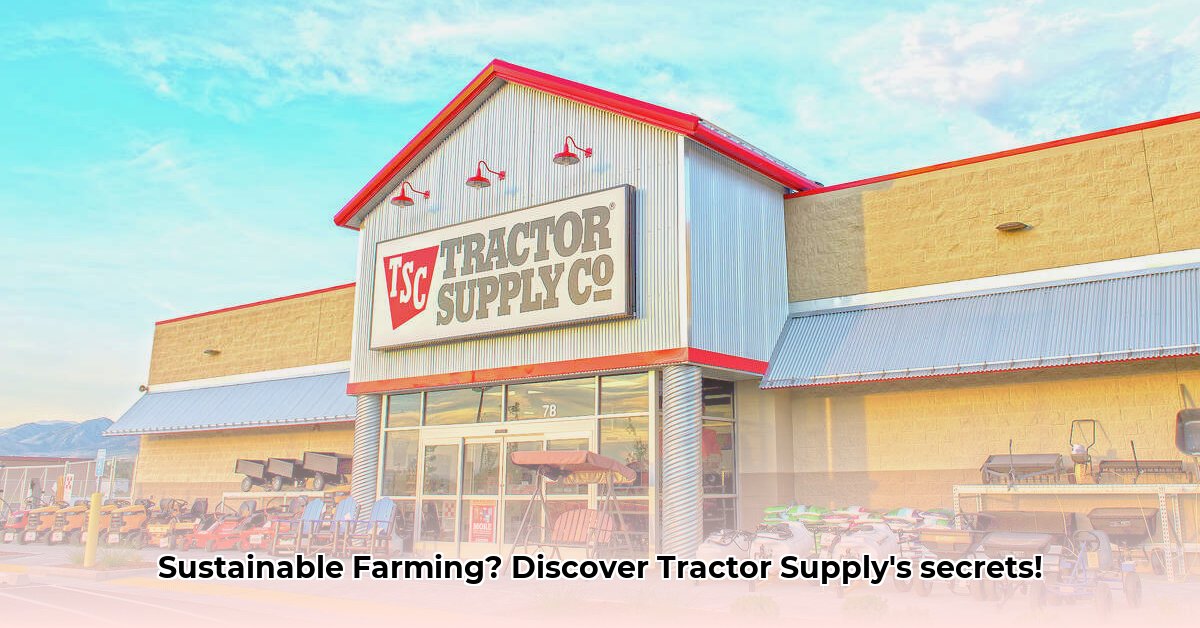
Tractor Supply Carrollton and Sustainable Agriculture
The pursuit of sustainable agriculture is no longer a niche interest; it's a necessity for the health of our planet and the future of farming. In Carrollton, Ohio, Tractor Supply (TSC) plays a significant role in supplying local farmers with the tools and resources they need. But how effectively does this retailer support sustainable practices? This guide explores TSC's offerings relevant to sustainable farming, highlighting both its contributions and areas where improvement is needed. We'll examine the products available, discuss the need for transparency in sourcing and environmental impact, and offer actionable steps farmers can take to embrace more sustainable practices. For heating options, check out propane heater options.
TSC in Carrollton stocks a wide range of products useful for farming, including seeds, fertilizers, irrigation systems, and fencing. However, a significant gap exists: the lack of readily available information on the environmental impact and sourcing of these products. Knowing whether seeds are organically grown, the carbon footprint of fertilizers, or the sustainability of manufacturing processes is crucial for farmers committed to environmentally conscious agriculture. This lack of transparency hinders informed decision-making and undermines efforts to build a truly sustainable farming community.
Some items at TSC potentially useful for sustainable farming include:
- Seeds: TSC offers a variety of seeds, including some organic options. However, careful label reading is essential to verify organic certification and ensure selection aligns with sustainable farming principles. Choosing seeds adapted to local climates and soils is paramount for resilience and efficiency. Heirloom varieties, known for their biodiversity and adaptability, are an excellent choice.
- Water Systems: Drip irrigation and rain barrels, readily available at TSC, are crucial for conserving water resources. These systems offer significantly more efficient water management than traditional methods, reducing waste and minimizing environmental impact.
- Fencing: Durable fencing materials from TSC help protect crops and conserve soil, minimizing the frequent replacement needed with inferior materials. Selecting long-lasting fencing contributes to reducing waste and resource consumption.
- Tools and Equipment: Investing in quality tools and equipment extends their lifespan, reducing the need for frequent replacements and minimizing waste. TSC provides a selection of tools; choosing durable, well-made options is key to long-term sustainability.
Actionable Steps for Sustainable Farming
Sustainable farming isn't merely about purchasing specific products; it's a holistic approach demanding conscious choices at every step. Here's how farmers can incorporate sustainable practices, leveraging TSC's resources and supplementing with other strategies.
1. Seed Selection: Laying the Foundation for a Sustainable Harvest
- Research: Thoroughly research diverse seed varieties suitable for local climates and soil types. Choose seeds carefully, considering factors like disease resistance and water requirements. (This crucial step avoids costly mistakes and wasted resources.)
- Prioritize Organic: Opt for organically certified seeds whenever possible, minimizing reliance on synthetic pesticides and fertilizers. (Organic farming helps protect biodiversity and soil health.)
- Seed Saving: Saving seeds from high-performing plants to cultivate locally adapted varieties enhances farm resilience and reduces dependence on external seed sources. (This age-old practice builds long-term sustainability.)
- Compare and Contrast: Explore the seed options at TSC, comparing varieties, prices, and certifications to make informed decisions.
2. Water Conservation: Optimizing Water Usage for Maximum Efficiency
- Assessment: Evaluate current water usage patterns to identify areas for improvement and potential water loss. (Understanding where water is lost is the first step to efficient conservation.)
- Efficient Irrigation: Implement water-efficient irrigation systems like drip irrigation or rainwater harvesting (TSC offers some options). (Drip irrigation delivers water directly to plant roots, significantly reducing water waste.)
- Mulching: Utilize mulch to retain soil moisture, reducing overall water requirements and preventing soil erosion. (Mulch acts as a natural insulator, keeping soil cool and moist.)
- Strategic Watering: Avoid watering during the hottest part of the day to minimize evaporation. (Early morning or late evening watering drastically improves water retention.)
3. Tooling Up: Investing in Durable and Efficient Equipment
- Quality Over Quantity: Choose high-quality, durable tools built to last, minimizing frequent replacements and associated waste. (Durable tools significantly reduce long-term costs.)
- Ergonomic Design: Prioritize tools designed for comfort and efficiency, reducing strain and improving worker well-being. (Ergonomic tools help prevent injury and increase productivity.)
- Proper Maintenance: Regularly clean and maintain tools to extend their lifespan and ensure peak performance. (Proper maintenance maximizes the lifespan of tools and minimizes waste.)
- Supplier Comparison: Compare the range of tools at TSC with other retailers to find the best value and most sustainable options.
4. Waste Management: Reducing Your Environmental Footprint
- Composting: Compost food scraps, plant waste, and other organic materials to enrich soil fertility and reduce landfill waste. (Composting is a cornerstone of sustainable agriculture, enriching soil and reducing waste.)
- Reduce Single-Use Plastics: Minimize use of single-use plastics by opting for reusable alternatives for packaging, storage, and coverings. (Reducing plastic use reduces waste and helps protect the environment.)
- Recycling: Recycle materials whenever possible, supporting local recycling initiatives. (Recycling is an essential step in minimizing waste and conserving resources.)
- Chemical Disposal: Dispose of chemicals like pesticides and fertilizers responsibly, following all local regulations and guidelines. (Improper chemical disposal contaminates soil and water.)
Advocating for Change: A Collective Responsibility
While individual actions are vital, systemic change requires collective effort. Consumers must demand more transparency from retailers like TSC. Actively inquire about sourcing practices, environmental impact certifications (like organic), and the sustainability of their supply chain. Support businesses committed to ethical and environmentally responsible practices. Engage with local government agencies and advocate for policies that encourage sustainable agriculture. By using our collective voice, we can empower retailers to make more sustainable choices.
Resources and Further Information
For further information and support, explore resources like the Ohio State University Extension (https://extension.osu.edu/), the USDA, and local agricultural organizations. These resources provide valuable information, guidance, and networking opportunities for farmers seeking to improve their sustainable farming practices.
Key Takeaways:
- TSC offers various products useful for sustainable farming, but greater transparency regarding sourcing and environmental impact is crucial.
- Implementing water conservation techniques and choosing durable, well-maintained tools are vital components of sustainable agriculture.
- Consumers and farmers must advocate for change, demanding more sustainable practices from retailers and supporting policies that promote environmentally responsible agriculture.
This comprehensive guide aims to empower Carrollton farmers and consumers to contribute actively to a more sustainable agricultural future. By making informed choices and advocating for change, we can collaboratively build a healthier and more resilient food system.